
Introduction to Lock Repairs and Maintenance
Lock problems rarely announce themselves at convenient times. A lock that's been gradually becoming harder to use might finally fail completely just as you're heading out for an important appointment. A deadbolt that's been sticking occasionally might refuse to engage entirely on a cold winter evening. These situations demand not just technical expertise but also responsiveness and reliability—qualities that define our approach to lock repair services at our 113 Engle St, Englewood, NJ 07631 location.
Our Lock Repairs and Maintenance Process
When you contact Englewood NJ Locksmith for lock repair services, you're initiating a streamlined process designed to restore your security quickly and effectively. Our systematic approach ensures thorough diagnosis and lasting solutions rather than temporary fixes that leave you vulnerable to future failures.
Initial Assessment and Diagnosis
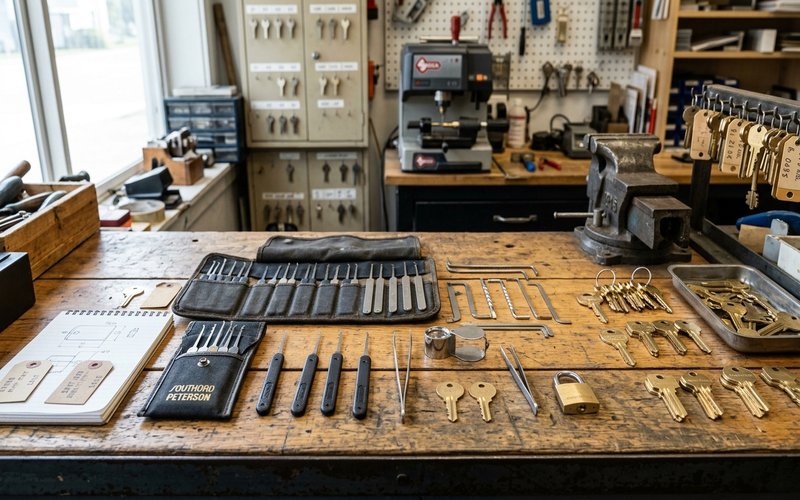
Every successful lock repair begins with accurate diagnosis. When our technician arrives at your location, they conduct a comprehensive examination of the problematic lock. This assessment includes testing the key operation, inspecting the lock cylinder for wear or damage, checking the strike plate alignment, examining the bolt mechanism, and identifying any external factors contributing to the malfunction. We use specialized diagnostic tools to detect issues that might not be visible to the naked eye, such as internal pin misalignment or spring fatigue.
During this phase, we also discuss your experience with the lock problem. Understanding when the issue started, whether it's intermittent or constant, and what symptoms you've noticed helps us pinpoint the root cause rather than just addressing surface-level symptoms. This thorough diagnostic approach distinguishes professional locksmith services from quick fixes that may not address underlying problems.
Repair Strategy Development
Once we've identified the problem, we develop a tailored repair strategy. Not all lock issues require the same solution—a broken lock with a snapped cylinder demands a different approach than one with alignment issues or internal component wear. We explain our findings in clear, understandable terms and outline the recommended repair approach, including what components need attention, whether parts replacement is necessary, and the expected outcome.
Transparency is crucial during this stage. We discuss all available options, from minor adjustments and lubrication to component replacement or complete lock mechanism overhaul. If a lock has deteriorated beyond economical repair, we'll advise you honestly rather than performing repairs that won't provide lasting value. This integrity-first approach has earned us the trust of countless Englewood residents and business owners.
Precision Repair Execution
With your approval, our technician proceeds with the repair work using professional-grade tools and techniques. For locks with internal mechanism problems, we carefully disassemble the cylinder, replace worn pins, springs, or drivers, and reassemble with proper lubrication. For alignment issues, we adjust strike plates, shim hinges if necessary, and ensure perfect bolt engagement. Electronic lock repairs may involve recalibration, circuit board assessment, or connection troubleshooting.
Throughout the repair process, we maintain respect for your property. We use protective coverings to prevent debris or lubricant from damaging surfaces, and we work efficiently to minimize disruption to your day. Our mobile service units carry extensive inventories of lock components, allowing us to complete most repairs on-site without delays for parts ordering.
Testing and Quality Verification
After completing repairs, we conduct rigorous testing to ensure the lock functions flawlessly. This includes multiple operation cycles with the key, testing from both sides of the door, verifying smooth bolt engagement and retraction, checking security features like anti-pick pins, and confirming proper alignment under various door positions. We also test the lock's resistance to ensure it provides appropriate security without being overly difficult to operate.
This quality verification step prevents callbacks and ensures you can depend on your repaired lock for years to come. We don't consider a job complete until the lock operates as smoothly as when it was first installed—or better.
Maintenance Recommendations
Before concluding our service, we provide personalized maintenance recommendations to extend your lock's lifespan and prevent future problems. These might include lubrication schedules, key maintenance tips, environmental protection suggestions, and signs to watch for that might indicate developing issues. We believe in empowering our clients with knowledge that helps them protect their investment in quality security hardware.
Types of Lock Repair Services We Offer
Our comprehensive lock repair expertise spans all lock types and applications. Understanding the breadth of our capabilities helps you recognize that whatever lock problem you're facing, we have the specialized knowledge to address it effectively.
Residential Lock Repairs
Home locks endure constant use and exposure to elements, making them susceptible to various issues. We repair lock mechanisms for entry doors, deadbolts, interior privacy locks, sliding door locks, and French door multi-point locking systems. Common residential repairs include fixing sticky or frozen locks, addressing keys that won't turn smoothly, repairing loose lock assemblies, correcting misaligned deadbolts that won't engage properly, and restoring locks damaged by attempted forced entry.
We also specialize in repairing high-security residential locks, smart locks with electronic components, and vintage or antique locks that require specialized knowledge. Our technicians understand the unique characteristics of different residential lock brands and models, allowing us to work effectively with Schlage, Kwikset, Yale, Baldwin, Medeco, and many other manufacturers' products.
Commercial Lock Repairs
Business security depends on reliable commercial-grade locks that often see heavier use than residential hardware. We provide expert repairs for storefront locks, panic bars and exit devices, commercial deadbolts, mortise locks, office door locks, filing cabinet locks, and access control system components. Commercial lock problems can impact business operations and security, so we prioritize rapid response and minimal disruption to your business activities.
Our commercial lock repair services include fixing malfunctioning panic hardware that poses safety code violations, repairing master key system locks while maintaining system integrity, addressing heavy-duty locks with worn components due to high traffic volume, and restoring locks damaged by vandalism or break-in attempts. We understand that businesses can't afford extended vulnerabilities, which is why we maintain extensive commercial parts inventories and offer flexible scheduling including after-hours service.
Automotive Lock Repairs
Vehicle locks face unique challenges from weather exposure, regular use, and the vibrations of daily driving. We fix lock problems for car doors, trunk locks, ignition cylinders, and glove compartment locks across all vehicle makes and models. Common automotive lock repairs include addressing frozen or corroded cylinders, fixing locks damaged by attempted theft, repairing broken lock actuators in power door lock systems, and correcting ignition cylinders that stick or won't turn.
Modern vehicles often integrate locks with electronic security systems, requiring specialized diagnostic equipment and knowledge. Our technicians have the tools and training to repair these sophisticated systems while maintaining proper integration with your vehicle's computer systems and anti-theft features.
Electronic and Smart Lock Repairs
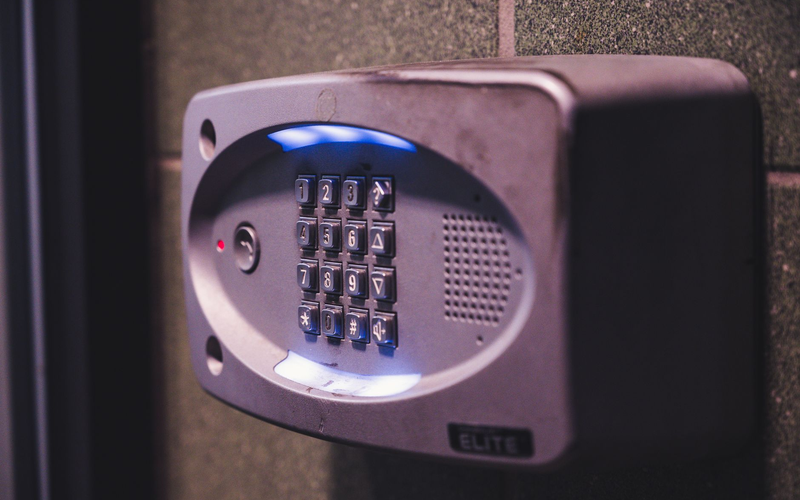
As homes and businesses increasingly adopt electronic access control, we've expanded our expertise to include these advanced systems. We repair electronic deadbolts, keypad entry systems, smart locks with Bluetooth or WiFi connectivity, card reader systems, and biometric locks. These repairs might address power supply issues, keypad malfunctions, connectivity problems, motor or actuator failures, or software glitches.
Electronic lock repairs require both traditional locksmith skills and modern electronics knowledge. Our technicians bridge this gap, providing comprehensive service whether the problem is mechanical, electrical, or software-related. We work with popular smart lock brands including August, Yale Real Living, Schlage Encode, Kwikset SmartCode, and many others.
Emergency Lock Repairs
When a lock fails unexpectedly, leaving you locked out or unable to secure your property, emergency repair services become critical. We provide rapid-response emergency lock repairs for situations including locks broken by attempted break-ins, locks that suddenly won't engage leaving your property unsecured, frozen locks during winter weather, locks damaged in accidents or storms, and any lock failure that creates an immediate security vulnerability.
Our emergency service doesn't mean rushed or lower-quality work—it means mobilizing quickly while maintaining the same thoroughness and expertise that characterizes all our services. We understand that lock emergencies cause stress and anxiety, and we work to resolve these situations as quickly as possible while ensuring lasting, secure repairs.
Why Choose Englewood NJ Locksmith for Lock Repairs and Maintenance
Selecting the right locksmith for lock repairs involves more than finding someone who can temporarily get a lock working again. It requires finding professionals who combine technical expertise, ethical practices, and genuine commitment to your security and satisfaction.
Decades of Combined Experience
Our team brings extensive hands-on experience with virtually every lock type, brand, and model you're likely to encounter. This depth of experience means we've encountered and solved problems similar to yours countless times before. We don't need to experiment or guess—we recognize issues quickly and know the most effective repair approaches. This experience translates directly to faster service, more reliable repairs, and better value for you.
Experience also means we can work effectively with both modern and older lock systems. While newer locksmiths might only know current products, our technicians can repair vintage locks, discontinued models, and specialized hardware that others might dismiss as unrepairable. This breadth of knowledge makes us the go-to choice for challenging repair situations.
Comprehensive Mobile Service
Operating from our 113 Engle St, Englewood, NJ 07631 location, we provide fully mobile lock repair services throughout the area. Our service vehicles function as complete mobile workshops, equipped with professional tools, diagnostic equipment, and extensive parts inventories. This mobile capability means we bring the repair shop to you, eliminating the inconvenience of removing locks and transporting them elsewhere for service.
Mobile service also enables us to assess locks in their actual operating environment. Sometimes lock problems stem from door alignment, frame issues, or environmental factors that wouldn't be apparent if the lock were removed and brought to a shop. By working on-site, we can identify and address these contributing factors, providing more comprehensive solutions.
Transparent, Honest Service
We've built our reputation on straightforward, honest communication. When we assess a broken lock, we tell you exactly what's wrong, what repair options exist, and which approach we recommend—along with our reasoning. If a lock is too deteriorated for economical repair, we'll advise replacement rather than performing repairs that won't provide lasting value. If a problem can be solved with simple adjustment rather than parts replacement, we'll take that approach even though it's less profitable for us.
This transparency extends to discussing factors that influence service quotes before we begin work. We explain what affects the complexity of your particular repair, provide clear information about what's included in our service, and ensure you understand exactly what you're receiving. No hidden fees, no surprise charges—just honest, professional service.
Quality Parts and Materials
When lock repairs require component replacement, we use only quality parts designed for durability and security. We maintain relationships with major lock manufacturers and security hardware suppliers, ensuring access to genuine replacement parts rather than inferior aftermarket substitutes. Quality components mean your repaired lock will provide reliable, long-lasting performance rather than failing again shortly after repair.
For specialized or high-security locks, using proper parts is particularly critical. Attempting to repair these systems with incorrect components can compromise security features and void warranties. Our commitment to using appropriate, quality parts protects both your immediate security and long-term investment in quality hardware.
Customer-Focused Approach
Every interaction with our team reflects our customer-first philosophy. We answer calls promptly, provide realistic timeframes, arrive when promised, work efficiently while respecting your property, and ensure your complete satisfaction before concluding service. We understand that lock problems cause inconvenience and anxiety, and we work to minimize both through responsive, professional service.
Our customer focus also means we listen carefully to your concerns, answer questions thoroughly, and provide information that helps you make informed decisions about your security. We're not just fixing locks—we're partnering with you to maintain the security of your property.
Licensed, Insured, and Accountable
We maintain all required licensing and comprehensive insurance coverage, protecting you from liability and ensuring accountability. When you hire a licensed, insured locksmith, you're working with professionals who meet industry standards and have accountability to regulatory bodies. This protection is particularly important given that locksmith services involve access to your security systems.
Our licensing and insurance also reflect our commitment to operating as a legitimate, established business rather than as transient operators who disappear when problems arise. We're a permanent part of the Englewood community, and our reputation matters to us.
Common Situations Requiring Lock Repairs and Maintenance
Understanding common scenarios that necessitate professional lock repair helps you recognize when it's time to call for service—before minor issues escalate into security vulnerabilities or complete lock failures.
Keys That Won't Turn or Turn With Difficulty
One of the most common lock problems involves keys that resist turning or require excessive force to operate the lock. This issue typically indicates worn internal pins, accumulated dirt and debris in the cylinder, internal corrosion, incorrect key cuts (if you're using a recently made duplicate), or cylinder damage from using wrong keys or attempting to force the lock. What starts as mild resistance often progressively worsens until the key won't turn at all, potentially leaving you locked out or unable to secure your property.
Professional repair addresses the root cause rather than just applying more force. We disassemble the cylinder, replace worn pins or drivers, clean accumulated debris, apply appropriate lubrication, and ensure smooth operation. Attempting to continue using a lock in this condition often causes additional damage, potentially breaking keys off in the cylinder and creating a more complex and expensive problem.
Locks That Won't Latch or Engage Properly
When a deadbolt won't fully extend, a latch won't engage with the strike plate, or a bolt won't retract smoothly, your security is compromised. These problems commonly result from door or frame settling, loose strike plates, worn bolt mechanisms, damaged latch springs, or swollen doors due to humidity and temperature changes. A door that won't latch properly is essentially an unlocked door—an invitation to unauthorized entry.
Repairing these issues involves assessing alignment, adjusting or repositioning strike plates, addressing door hanging problems, replacing worn springs or bolt mechanisms, and ensuring proper clearances. Sometimes the solution involves door adjustment rather than lock repair, and our comprehensive approach addresses whatever is necessary to restore proper function and security.
Sticky, Frozen, or Seized Locks
Locks that operate stiffly, freeze in cold weather, or become completely seized present both security and access problems. These issues often stem from inadequate or incorrect lubrication, moisture penetration and corrosion, accumulated dirt or debris, damaged internal components, or frozen condensation in cold weather. A seized lock can leave you stranded outside in severe weather or prevent you from securing your property when leaving.
Professional repair involves disassembly, cleaning, corrosion removal, component replacement if necessary, application of proper lock-specific lubricants, and weatherproofing measures to prevent recurrence. Using inappropriate lubricants like WD-40 or oil-based products often worsens these problems by attracting dirt and gumming up mechanisms, which is why professional service yields better long-term results.
Loose or Wobbly Locks
When a lock assembly feels loose, wobbles excessively, or rattles in the door, it indicates mounting problems that compromise security. Loose locks result from stripped mounting screws, oversized mounting holes, missing set screws, worn door material around mounting points, or damaged lock housings. Beyond the obvious security concerns, loose locks experience accelerated wear because components aren't held in proper alignment.
Repairing loose locks might involve replacing mounting hardware with larger or longer screws, installing repair plates behind worn mounting areas, adding proper shims or spacers, replacing damaged lock bodies, or addressing door material deterioration. These repairs restore solid mounting and proper alignment, preventing further damage and ensuring security.
Locks Damaged by Break-In Attempts
Attempted forced entry often damages locks even when the door ultimately remains secure. Damage might include bent or broken cylinders, damaged keyways, broken off key fragments, compromised pins or tumblers, or damaged lock housings and mounting points. After a break-in attempt, even if the door wasn't breached, the lock's security and reliability are compromised.
Post-break-in repairs require thorough assessment because damage isn't always visible externally. Internal components may be stressed or damaged in ways that won't cause immediate failure but create vulnerabilities. We conduct comprehensive inspections, replace all compromised components, and often recommend security upgrades to prevent future attempts. This situation also presents an opportunity to enhance security with higher-grade locks or additional security hardware.
Electronic Lock Malfunctions
Smart locks and electronic access systems introduce additional potential failure points. Common electronic lock problems include keypads that don't respond or register incorrect entries, connectivity issues preventing remote access or control, motor or actuator failures preventing bolt operation, battery drain problems, error messages or status light indicators of problems, and integration failures with home automation systems.
Repairing electronic locks requires diagnostic equipment and knowledge of both mechanical and electronic systems. We troubleshoot systematically, testing power supplies, checking connections, verifying programming, replacing failed electronic components, and ensuring proper integration with control systems. These repairs restore both the convenience and security that electronic locks provide.
Seasonal Lock Problems
Changing seasons create specific lock challenges. Winter brings frozen locks, contracted metal components affecting fit, and moisture penetration followed by freezing. Summer brings expanded doors and frames from heat and humidity, swollen wooden doors affecting alignment, and increased corrosion in coastal areas. These seasonal issues often recur annually unless properly addressed.
Seasonal lock maintenance and repair involves weatherproofing measures, applying temperature-appropriate lubricants, adjusting for seasonal door movement, installing protective covers or guards, and sometimes modifying installations to accommodate seasonal changes. Addressing these issues proactively prevents the frustration of locks that work fine in one season but fail in another.
Regular Lock Maintenance: Prevention and Longevity
While we excel at repairing problematic locks, we also advocate for preventive maintenance that minimizes the need for repairs and extends lock lifespan. Understanding basic maintenance principles helps you protect your investment in quality security hardware.
Lubrication and Cleaning
Proper lubrication is the single most important maintenance task for mechanical locks. Locks should be lubricated at least annually—or more frequently in harsh environments—using dry graphite lubricant or PTFE-based lock-specific products. These lubricants reduce friction without attracting dirt that can gum up mechanisms. We avoid oil-based lubricants which initially improve operation but eventually attract debris and create sticky deposits.
Cleaning involves removing accumulated dirt, debris, and old lubricant that degrades performance. Professional cleaning during scheduled maintenance visits can prevent many common lock problems and significantly extend lock lifespan.
Key Condition Management
Worn or damaged keys accelerate lock wear. Keys should be replaced when they show significant wear, damage, or bending. Using worn keys forces lock pins to work harder, gradually damaging internal components. If you need duplicates made, have them cut by professionals using proper equipment and quality key blanks—poorly cut keys damage lock cylinders.
Key management also involves avoiding practices that damage keys and locks, such as using keys to open packages, putting excessive force on keys when turning, or carrying excessive numbers of keys on one ring that creates leverage stress on the lock.
Environmental Protection
Locks exposed to weather benefit from protective measures including weatherproof covers for outdoor locks, regular inspection and lubrication of exposed hardware, prompt attention to any signs of corrosion, and protective treatments for locks in harsh environments like coastal areas with salt air. Environmental protection prevents corrosion and moisture-related problems that cause many lock failures.
Professional Inspection
Periodic professional lock inspection identifies developing problems before they cause failures. During inspections, we test operation, check for wear, assess alignment, verify security features functionality, and recommend preventive repairs or adjustments. Addressing minor issues during scheduled inspections prevents inconvenient failures and often costs less than emergency repairs.
Understanding Lock Repair Factors
When you contact us for lock repair service, several factors influence the scope of work required and the overall quote for restoring your lock to proper function. Understanding these factors helps you appreciate the complexity of professional lock repair services.
Lock Type and Complexity
The basic design and security level of your lock significantly affects repair requirements. Standard residential cylinder locks typically involve straightforward repairs, while high-security locks with specialized pins and features require more detailed work. Electronic and smart locks add programming and electronic diagnostic requirements. Commercial-grade locks often feature more robust construction requiring specialized tools for disassembly and repair. Automotive locks, especially in newer vehicles, may integrate with anti-theft computer systems requiring additional diagnostic work.
Extent of Damage or Wear
The severity of the problem directly impacts repair complexity. Minor adjustments and lubrication require less work than extensive component replacement. Locks damaged by attempted break-ins may need multiple components replaced. Severely corroded locks might require complete cylinder replacement rather than simple cleaning. Our initial diagnostic assessment determines the extent of necessary repairs.
Parts and Component Requirements
Some repairs require only labor—adjustments, cleaning, and lubrication—while others necessitate replacement parts. Common replacement components include springs, pins, cylinders, cams, and mounting hardware. High-security lock parts typically involve higher material investment than standard components. Electronic lock repairs might require circuit boards, keypads, or actuators. Availability of parts also affects service—common components are readily available in our mobile inventory, while specialized parts might require ordering.
Time and Accessibility
Standard service during regular business hours involves different considerations than emergency after-hours service. Some lock locations present accessibility challenges requiring additional time or specialized tools. Repairs that can be completed entirely on-site differ from situations requiring temporary security measures while parts are obtained. The urgency of your situation—whether it's preventive maintenance or an emergency security vulnerability—also factors into service planning.
Additional Security Considerations
Sometimes lock problems reveal opportunities for security enhancements. After a break-in attempt, upgrading to higher-security hardware makes sense. When repairing older locks, modernizing to current security standards might be advisable. We discuss these considerations during our assessment, ensuring you understand both immediate repair options and potential security improvements.
Service Areas and Local Availability
Englewood NJ Locksmith proudly serves Englewood and surrounding communities from our 113 Engle St, Englewood, NJ 07631 location. Our strategic positioning enables rapid response throughout the area while maintaining the personalized service and accountability that comes from being a local business invested in our community.
We provide comprehensive lock repair services throughout Englewood, including all residential neighborhoods, commercial districts, and business parks. Our service area also extends to nearby communities including Teaneck, Bergenfield, Leonia, Fort Lee, Tenafly, Cliffside Park, Palisades Park, Hackensack, and other Bergen County locations.
Our local presence means we understand the specific security challenges and needs of properties in this area. We're familiar with common lock types in local buildings, weather-related issues affecting our region, and the security concerns specific to our communities. This local knowledge enhances our service quality and ensures we're truly part of your community rather than a distant company without local connections.
When you call (201) 627-9546, you're reaching a local team that takes pride in serving neighbors and building long-term relationships based on trust and quality service. We've earned our reputation through consistent excellence in serving this community, and we work hard to maintain that reputation with every service call.
Taking Action: When to Call for Lock Repair Services
Recognizing when a lock problem requires professional attention helps you maintain security and avoid preventable lock failures. Contact us when you experience any difficulty operating your locks, notice visible damage or excessive wear, hear unusual sounds during lock operation, experience keys that stick or require excessive force, or notice that locks don't engage fully or securely.
Don't wait until a minor problem