
As the vibrant colors of autumn begin to paint the trees along Palisade Avenue and the crisp air settles over Englewood, New Jersey, homeowners should turn their attention to an often-overlooked aspect of seasonal home maintenance: security. Fall presents unique challenges for home security, from shorter daylight hours that provide cover for potential intruders to the wear and tear that summer humidity can inflict on locks and hardware. This comprehensive fall locksmith checklist will help Englewood residents ensure their homes remain secure as we transition into the cooler months and prepare for the holiday season ahead.
Inspect All Exterior Door Locks
Your exterior door locks serve as the first line of defense for your home, and fall is the perfect time to give them a thorough inspection. The humidity and temperature fluctuations of summer can cause locks to become sticky, corroded, or misaligned, compromising your home's security.
Start by testing every exterior door lock in your home. Insert your key and turn it several times, paying attention to how smoothly it operates. If you notice any resistance, grinding, or difficulty turning, your lock may need cleaning, lubrication, or professional attention. A lock that doesn't turn smoothly is not just inconvenient—it's a security vulnerability that could fail when you need it most.
Check for Visible Wear and Damage
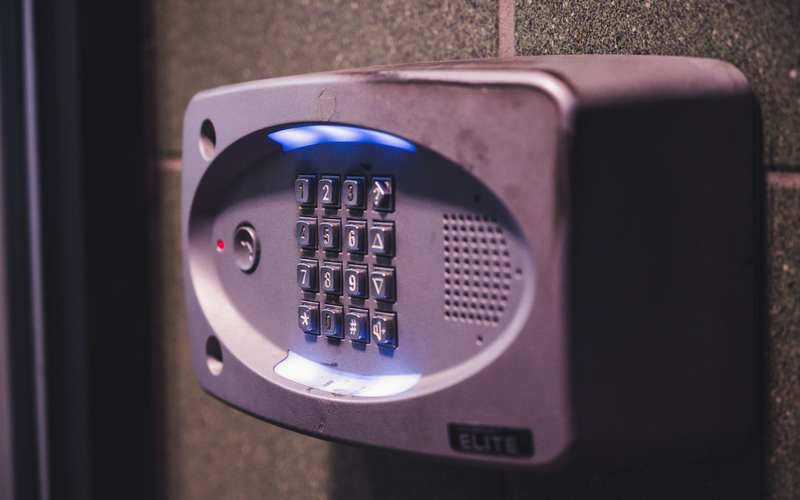
Examine the physical condition of your locks and door hardware. Look for:
- Rust or corrosion on the lock cylinder or strike plate
- Loose screws on door handles or deadbolts
- Cracks or damage to the lock housing
- Signs of attempted forced entry or tampering
- Weathering or deterioration of the finish
Test Deadbolt Extension
A deadbolt is only effective if it extends fully into the door frame. Close your door and engage the deadbolt, then open the door to examine how far the bolt extends. It should project at least one inch into the strike plate. If the extension is shorter, the deadbolt may not provide adequate security. This could be due to misalignment, wear, or a substandard lock that should be upgraded.
Lubricate All Locks and Hinges
Proper lubrication is essential for maintaining smooth lock operation and preventing premature wear. However, many homeowners use the wrong products, which can actually attract dust and grime, making the problem worse.
Use the Right Lubricant
Avoid using WD-40 or oil-based products on your locks. While these may provide temporary relief, they attract dirt and can gum up the internal mechanisms over time. Instead, use a dry lubricant specifically designed for locks, such as:
- Graphite powder
- Teflon-based dry lubricants
- Silicone-based lock sprays
Proper Application Technique
To lubricate your locks effectively, insert the nozzle of your chosen lubricant into the keyway and apply a small amount. Insert your key and turn it several times to distribute the lubricant throughout the lock's internal pins and tumblers. Wipe away any excess that emerges from the lock. For hinges, apply lubricant to the hinge pins while opening and closing the door to work the product into the mechanism.
Upgrade to High-Security Locks
Fall is an ideal time to evaluate whether your current locks provide adequate protection for your Englewood home. With the holiday season approaching, homes often contain more valuable items, making them attractive targets for burglars who take advantage of longer nights and homeowners' busy schedules.
Consider Grade 1 Deadbolts
Not all deadbolts offer the same level of security. The American National Standards Institute (ANSI) rates locks on a scale from Grade 3 (basic security) to Grade 1 (highest security). If your home currently has builder-grade locks, which are typically Grade 3, upgrading to Grade 1 deadbolts significantly improves your security.
Grade 1 deadbolts feature:
- Hardened steel bolts that resist sawing
- Reinforced strike plates with longer screws
- Pick-resistant cylinders
- Drill-resistant components
- Higher cycle testing (1,000,000 cycles vs. 200,000 for Grade 3)
Smart Lock Technology
Smart locks have evolved significantly and now offer robust security combined with modern convenience. Features to consider include:
- Keyless entry with customizable codes
- Remote access and monitoring via smartphone
- Activity logs showing when doors are locked and unlocked
- Temporary access codes for service providers or guests
- Integration with home automation systems
- Auto-lock features that secure doors after a set time
Rekey Locks After Summer Rentals or Moves
If you rented out your Englewood home during the summer months, had contractors performing work, or recently moved into a new property, fall is the perfect time to rekey your locks. Rekeying involves changing the internal pin configuration so that old keys no longer work, providing a cost-effective security upgrade without replacing entire lock systems.
When Rekeying Makes Sense
- You've lost track of who has keys to your home
- Contractors, house sitters, or temporary workers had access
- You recently purchased your home
- Keys have been lost or stolen
- You're ending a roommate situation
- After a divorce or separation
Assess Window Locks and Security
While door locks often receive the most attention, windows are common entry points for burglars, especially in single-family homes like those throughout Englewood's residential neighborhoods. As you close windows for the season, take time to evaluate their security.
Inspect Window Lock Functionality
Test every window lock in your home. Many standard window locks are flimsy and provide minimal security. If your windows have old, loose, or broken locks, replace them with more robust options:
- Keyed window locks for sliding windows
- Sash locks with multiple engagement points
- Ventilation locks that allow windows to open slightly while remaining secured
- Pin locks for sliding windows and doors
Consider Additional Window Security
For ground-floor and easily accessible windows, consider supplementing locks with:
- Window security film that makes glass harder to break
- Window bars or grilles (ensure they have quick-release mechanisms for fire safety)
- Window sensors connected to your alarm system
- Dowels or security bars in sliding window tracks
Check Garage Door Security
Your garage often provides direct access to your home and contains valuable tools, equipment, and vehicles. Unfortunately, garage security is frequently overlooked. As you prepare for fall, give your garage door and its locking mechanisms a thorough evaluation.
Secure the Garage-to-House Door
The door between your garage and home should have the same security features as any exterior door. Install a solid-core or metal door with a Grade 1 deadbolt. Many homeowners neglect this critical entry point, leaving hollow-core doors with minimal locks that offer little resistance to forced entry.
Garage Door Opener Security
Modern garage door openers should have rolling code technology, which changes the access code each time you use the remote, preventing code grabbing by thieves. If your opener is more than 10-15 years old, it may lack this feature and should be upgraded.
Additional garage security measures include:
- Covering or frosting garage windows to prevent criminals from seeing inside
- Installing a deadbolt on the garage service door
- Using a garage door lock or security bar when away for extended periods
- Never leaving the garage door opener remote in your vehicle
- Keeping the emergency release cable secure to prevent fishing attacks
Install or Update Outdoor Lighting
As daylight hours shrink during fall, outdoor lighting becomes increasingly important for both safety and security. Well-lit properties deter potential intruders who prefer to work under cover of darkness.
Strategic Lighting Placement
Install motion-activated lights at key locations:
- All entry doors, including side and back doors
- Driveway and walkways
- Garage and garage doors
- Dark corners of your property
- Near basement windows and other vulnerable access points
Smart Lighting Options
Consider upgrading to smart outdoor lighting that can be controlled remotely and programmed to turn on and off at varying times, creating the appearance that someone is home even when you're away. Some systems integrate with security cameras and can trigger recording when motion is detected.
Evaluate Your Complete Security System
Fall maintenance should include a comprehensive review of your entire home security system, not just individual locks. This holistic approach ensures all components work together effectively.
Test Your Alarm System
If you have a security alarm, conduct a full system test:
- Verify that all door and window sensors are functioning
- Test motion detectors throughout your home
- Check that the alarm communicates properly with the monitoring service
- Replace backup batteries
- Update emergency contact information
- Review and update access codes, removing codes for people who no longer need access
Security Camera Maintenance
For homes with security cameras, fall maintenance includes:
- Cleaning camera lenses to ensure clear footage
- Checking camera positioning and adjusting as needed (falling leaves can block views)
- Verifying that cameras are recording properly
- Ensuring adequate storage space for recordings
- Testing night vision capabilities as darker evenings arrive
- Updating camera firmware for security patches
Address Landscaping and Security
As trees lose their leaves in fall, it's an excellent time to evaluate how your landscaping affects your home's security. Overgrown shrubs and trees can provide cover for intruders or block sight lines to doors and windows.
Trim Vegetation Near Entry Points
Trim bushes and trees near doors and windows to eliminate hiding spots. As a general rule, maintain at least three feet of clearance around all entry points. This not only improves security but also allows better lighting coverage from outdoor fixtures.
Use Defensive Landscaping
Consider planting thorny or prickly shrubs beneath windows to deter access. Good options for the Englewood climate include:
- Barberry bushes
- Holly shrubs
- Rose bushes
- Hawthorn
Create a Key Management System
Poor key management is a common security weakness. Fall is an ideal time to audit who has keys to your home and implement better practices.
Avoid Common Key Mistakes
Many Englewood residents make these key security errors:
- Hiding spare keys under doormats, flower pots, or fake rocks (these are the first places burglars check)
- Labeling keys with addresses or identifiable information
- Keeping too many copies in circulation
- Failing to retrieve keys from former service providers, contractors, or house sitters
Implement Secure Alternatives
Instead of hiding keys outside, consider:
- Installing a keyless entry system
- Using a high-security lockbox with a combination known only to trusted individuals
- Leaving a spare key with a trusted neighbor
- Implementing a smart lock that allows temporary access codes
Prepare for Winter Weather Challenges
While preparing your locks for fall, it's wise to look ahead to winter weather challenges that can affect lock functionality in Englewood's cold months.
Prevent Lock Freezing
Frozen locks are a common winter frustration that can leave you locked out in frigid weather. Preventive measures include:
- Applying a weatherproof lock lubricant before winter arrives
- Installing lock covers on exterior locks exposed to the elements
- Ensuring door weatherstripping doesn't allow moisture into lock mechanisms
- Keeping a lock de-icer in your bag or vehicle (not inside the house)
Inspect Weatherstripping and Door Sweeps
While checking locks, examine weatherstripping around doors. Gaps not only increase heating costs but can allow moisture to reach lock mechanisms. Replace worn weatherstripping and install or replace door sweeps to create tight seals.
Schedule Professional Lock Maintenance
While many lock maintenance tasks can be handled by homeowners, certain situations require professional locksmith services. A qualified locksmith can identify issues that aren't obvious to untrained eyes and provide solutions that enhance your home's security.
When to Call a Professional Locksmith
Contact a professional if you experience:
- Keys that stick, are difficult to turn, or break in locks
- Locks that don't latch properly or require jiggling
- Doors that don't align properly with strike plates
- Need for lock rekeying or replacement
- Desire to upgrade to high-security or smart locks
- Master key system implementation
- Safe installation or servicing
- Security assessments for your property
Benefits of Professional Security Assessments
A professional locksmith can perform a comprehensive security assessment of your Englewood home, identifying vulnerabilities you might miss. This assessment typically includes:
- Evaluation of all locks and hardware
- Assessment of door and frame strength
- Window security review
- Garage security evaluation
- Recommendations for security improvements based on your specific property and needs
- Identification of outdated or inadequate security features
Update Emergency Preparedness
Fall is an excellent time to review your family's emergency preparedness, including security-related considerations.
Ensure Emergency Exit Access
While securing your home is crucial, ensure that all family members can exit quickly in an emergency:
- Keep keys near deadbolts that require them for exit (but out of reach from windows)
- Consider deadbolts with thumb-turns on the interior for keyless emergency exit
- Ensure window locks can be quickly released
- Discuss and practice emergency exit procedures with family members
- Install quick-release mechanisms on window bars or security gates
Update Emergency Contact Information
Review and update emergency contact lists, including:
- Contact information for your locksmith service
- Security system monitoring company details
- Local police non-emergency numbers
- Trusted neighbors who have spare keys or access codes
Protect Your Home During Holiday Travel
With Thanksgiving and winter holidays approaching, many Englewood families will travel to visit relatives. Securing your home before departure is essential.
Pre-Travel Security Checklist
Before leaving for extended periods:
- Test all locks to ensure they're functioning properly
- Rekey locks if anyone who had access should no longer have it
- Install timers on interior lights to create the appearance of occupancy
- Arrange for mail and package pickup or holding
- Notify trusted neighbors of your absence
- Avoid posting travel plans on social media until you return
- Ensure security system is armed and functioning
- Lock all windows, including second-story windows
- Secure sliding doors with dowels or security bars
- Remove spare keys from hiding spots outside
Consider House Sitting Services
For extended absences, having someone stay at your home or check on it regularly provides the best security. This